A property owner's good intentions often mean little when a visitor gets hurt. What matters under premises liability law is whether the owner took reasonable steps to find and fix dangerous conditions or warn about a hazard before someone suffered an injury.
A broken step, a wet floor without warning signs, poor lighting in a parking lot: these hazards create legal exposure when they lead to harm. If you suffered an injury on someone else's property in Georgia, a Georgia premises liability lawyer helps determine who bears responsibility and fights for maximum compensation on your behalf.
Schedule a Free ConsultationTable of Contents
- Key Points About Premises Liability Cases in Georgia
- How Georgia Law Defines a Property Owner's Duty
- The Three Types of Visitors Under Georgia Law
- Common Types of Premises Liability Cases
- Proving Fault in a Georgia Premises Liability Case
- How Comparative Negligence Affects Your Claim
- What Compensation May Be Available for a Premises Liability Accident
- What Do Clients Often Ask About Premises Liability in Georgia?
- Talk to a Georgia Premises Liability Attorney Today
Key Points About Premises Liability Cases in Georgia
- Slip and fall accidents, inadequate security, dog bites, and swimming pool incidents are among the most common types of premises liability claims.
- Georgia law classifies visitors into three categories, and each category receives a different level of legal protection.
- Even if you share some fault for your injury, you may still recover compensation under Georgia's modified comparative negligence rules.
- An attorney investigates the property conditions, gathers evidence, and identifies all parties who may be liable for your injuries.
How Georgia Law Defines a Property Owner's Duty
Georgia holds property owners to a standard called "ordinary care." Under O.C.G.A. § 51-3-1, owners who invite others onto their property must use ordinary care to keep the premises safe. This legal responsibility encompasses not only the property itself but also walkways, parking areas, entrances, and any paths visitors use to access the main location.
Ordinary care means doing what any reasonable property owner would do under similar circumstances. A store owner who knows about a leaky freezer creating puddles in an aisle must either fix the problem, clean up the water, or warn customers about the hazard. Failing to take any of these steps may be considered negligence.
These responsibilities also extend to hazards the owner should have discovered through routine inspections. Georgia law assumes that if a property owner could have found a dangerous condition by checking the property regularly, then the owner knew about it in the eyes of the law. A landlord who never inspects stairwells cannot claim ignorance when a broken handrail causes a tenant to fall.
The Three Types of Visitors Under Georgia Law
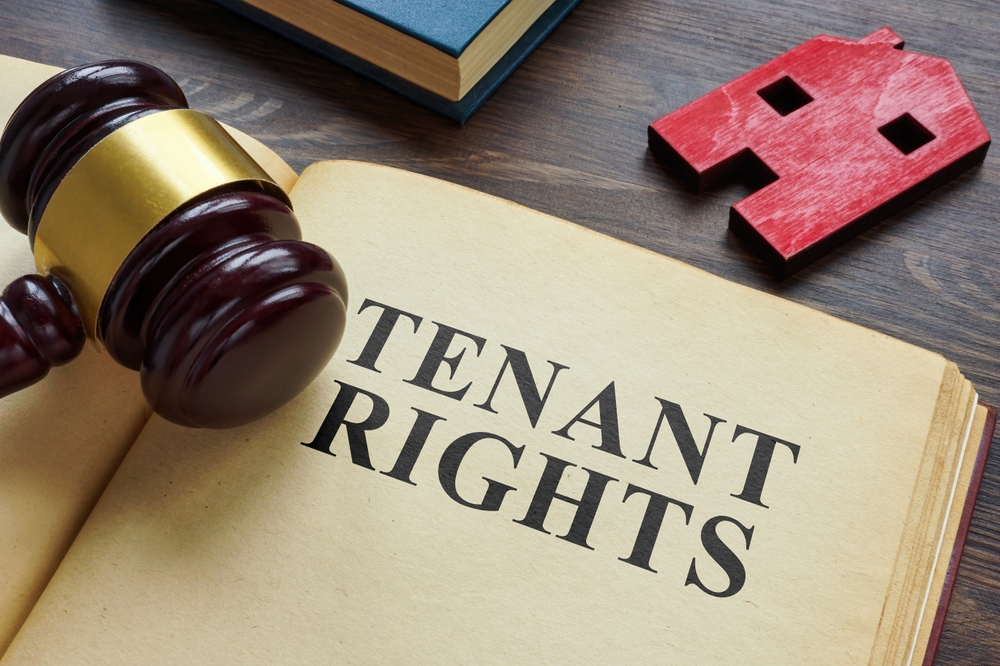
Georgia law does not treat all visitors equally. The level of protection you receive depends on your legal status at the time of the injury. Property owners owe different duties to different categories of visitors.
Invitees receive the highest protection
Invitees are people who enter property with the owner's express or implied permission for a purpose that benefits both parties. Customers in a grocery store, patients at a medical office, and hotel guests all qualify as invitees. Property owners owe invitees the highest level of care.
For invitees, the owner must actively inspect the property for hazards, repair any dangerous conditions, and warn visitors about risks that cannot be immediately addressed. A restaurant owner who knows the bathroom floor gets slippery after mopping must place warning signs until the floor dries.
Licensees receive limited protection
Licensees are visitors who have permission to be on the property but are there for their own purposes rather than the owner's benefit. Social guests at a private home typically fall into this category. The property owner's duty to licensees is more limited.
Owners must avoid causing willful or wanton injury to licensees and must warn them about hidden dangers the owner knows about. However, owners do not have to inspect the property for hazards on behalf of licensees. A homeowner hosting a backyard barbecue must warn guests about the loose board on the deck, but does not have to check every inch of the yard beforehand.
Trespassers receive minimal protection
Trespassers enter a property without permission. Georgia law provides them with the least protection. Property owners generally have no responsibility to protect trespassers, but they do have a duty to avoid intentionally harming them.
One notable exception involves children. Georgia's "attractive nuisance" doctrine requires property owners to take steps to protect children who may be drawn onto the property by appealing but dangerous features like swimming pools, trampolines, or construction equipment. A pool owner who knows neighborhood children sometimes sneak into the yard may be liable if a child drowns, even though the child was technically trespassing.
Common Types of Premises Liability Cases
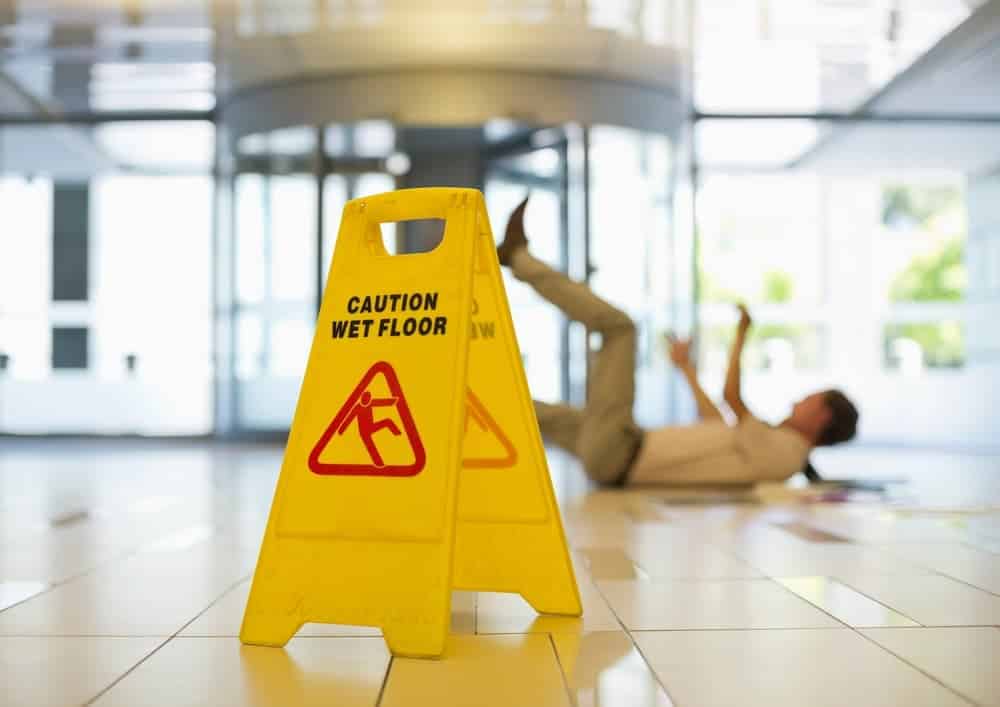
Dangerous property conditions take many forms. Some of the most frequent premises liability claims involve everyday hazards that property owners failed to address.
Slip and fall accidents
Falls rank among the leading causes of injury in the United States. According to the Centers for Disease Control and Prevention, over 800,000 people require hospitalization each year due to falling injuries. Wet floors, torn carpeting, uneven pavement, icy walkways, and poor lighting all contribute to slip and fall accidents.
In Georgia, slip and fall cases fall into two categories. "Static defects" involve permanent conditions like cracked sidewalks or broken steps. "Foreign substance" cases involve temporary hazards, such as spilled liquids or dropped merchandise. The legal approach differs slightly depending on which type of hazard caused your fall.
Swimming pool accidents
Georgia’s hot summers draw crowds to pools, and unfortunately, drowning and near-drowning incidents occur every year. Property owners who maintain pools, whether residential or commercial, must take steps to prevent accidents. Fencing, locked gates, depth markers, and lifeguards are standard safety measures at public pools.
The attractive nuisance doctrine makes pool owners particularly vulnerable to claims involving children. Even a child who is injured after entering a pool area without permission may have a valid claim if the owner failed to secure the pool properly.
Dog bites and animal attacks
When a dog bites someone on the owner's property, premises liability and animal liability laws may both apply. Georgia follows a modified "one bite" rule that considers whether the owner knew or should have known the dog had dangerous tendencies. A dog that previously lunged at visitors or showed aggression creates liability for the owner if it later attacks someone.
Proving Fault in a Georgia Premises Liability Case
Winning a premises liability claim requires more than showing you got hurt on someone's property. Georgia law requires injured visitors to prove specific elements that connect the property owner's negligence to the injury.
A successful premises liability claim in Georgia typically requires proving four things:
- The property owner owed you a duty of care based on your status as an invitee, licensee, or trespasser.
- The owner knew about the dangerous condition or should have discovered it through reasonable inspections.
- The owner failed to fix the hazard, remove it, or warn you about it.
- That failure directly caused your injury and resulting damages.
The second element often proves most challenging. Property owners frequently argue they had no idea a hazard existed. Georgia law addresses this by holding owners responsible for conditions they should have found through routine checks. A grocery store that inspects aisles every 30 minutes has a stronger defense than one that never checks at all.
Your attorney gathers evidence to establish each element. This evidence may include surveillance footage, incident reports, maintenance records, witness statements, and photographs of the hazard.
Acting quickly is essential because property owners may sometimes repair hazardous conditions or delete security footage after an accident. Knowing how to build a strong slip and fall claim from the start gives your case the best chance of success.
How Comparative Negligence Affects Your Claim
Georgia follows a modified comparative negligence rule under O.C.G.A. § 51-12-33. This rule recognizes that sometimes both the property owner and the injured person share some responsibility for an accident.
What the 50% rule means for your case
Under Georgia's system, you may still recover compensation even if you were partly at fault, as long as your share of the blame stays below 50%. If a jury finds you 50% or more responsible, you recover nothing.
When fault is shared, your compensation is reduced by your percentage of responsibility. For example, if you are found to be 20% at fault, your total recovery would be reduced by 20%.
Fighting back against unfair blame
Insurance companies and property owners often try to shift as much blame as possible onto injured visitors. They may argue you were distracted by your phone, wearing inappropriate shoes, or ignoring warning signs.
A premises liability lawyer challenges these arguments by investigating what actually happened. Perhaps the warning sign was knocked over before you arrived. Maybe the lighting was too dim to see the hazard. Your lawyer presents evidence that tells your side of the story and works to minimize any fault assigned to you.
What Compensation May Be Available for a Premises Liability Accident

Premises liability injuries range from minor bruises to life-changing trauma. Georgia law allows injured visitors to seek compensation for both economic and non-economic losses.
Damages commonly sought in premises liability cases include:
- Medical expenses for emergency care, surgery, hospitalization, physical therapy, and ongoing treatment
- Lost wages from time missed at work during your recovery
- Lost earning capacity if your injuries affect your ability to work in the future
- Pain and suffering from the physical discomfort caused by your injuries
- Emotional distress, including anxiety, depression, or fear related to the accident
- Permanent disability or disfigurement if your injuries cause lasting physical changes
The value of your claim depends on the severity of your injuries, the strength of the evidence against the property owner, and the insurance coverage available. An attorney evaluates these factors and fights for compensation that reflects your actual losses.
What Do Clients Often Ask About Premises Liability in Georgia?
How long do I have to file a premises liability lawsuit in Georgia?
Georgia gives injury victims two years from the date of the accident to file a lawsuit. Missing this deadline almost always results in losing your right to pursue compensation, no matter how serious your injuries are. Consulting an attorney soon after your injury protects your legal options.
Does it matter if I was at a business or a private home?
Your legal status as a visitor matters more than the type of property. Customers at businesses are typically invitees who receive the highest protection. Social guests at private homes usually have fewer protections. The specific facts of your situation determine which rules apply.
What if the property owner claims they did not know about the hazard?
Georgia law holds property owners responsible for hazards they should have discovered through reasonable inspections. If the dangerous condition existed long enough that a careful owner would have found it, the owner may still be liable even without actual knowledge. Evidence like maintenance logs, inspection records, and witness testimony helps establish what the owner knew or should have known.
What should I do after getting injured on someone else's property?
Report the incident to the property owner or manager and ask for a copy of any incident report. Take photos of the hazard and your injuries if possible. Seek medical attention promptly, even if your injuries seem minor at first. Keep records of all medical treatment and expenses. Consult with an attorney before giving recorded statements to insurance adjusters.
Can I sue a property owner if I was injured in a parking lot?
Yes, parking lots fall under premises liability law. Property owners must maintain safe conditions in their parking areas, including proper lighting, clear markings, pothole repairs, and adequate security in high-risk locations.
What if I signed a waiver before entering the property?
Liability waivers do not automatically protect property owners from all claims. Georgia courts examine whether the waiver was clearly written, whether you had a meaningful choice in signing it, and whether the owner's conduct went beyond ordinary negligence. Waivers also cannot cover intentional harm or gross negligence. An attorney reviews the specific language and circumstances to determine whether the waiver affects your claim.
Does it matter how long the hazard existed before my accident?
The length of time a hazard existed often plays a key role in premises liability cases. If a dangerous condition was present long enough that the property owner should have discovered it through routine inspections, Georgia law may treat the owner as having constructive knowledge of the hazard.
Talk to a Georgia Premises Liability Attorney Today

If you suffered an injury due to unsafe conditions on someone else's property in Georgia, the attorneys at Williams Elleby Howard & Easter are ready to review your case. With proven results, including several recent six-figure premises liability verdicts, we have the experience to fight for the maximum compensation you need. No two cases are alike. A free consultation helps assess your potential recovery based on your specific circumstances. Call our team of premises liability lawyers today at (404) 389-1035 or contact us online for a case evaluation and learn how we may help position you for the strongest possible outcome.
Schedule a Free Consultation